Right then, let’s talk about something that can genuinely transform your cycling experience – group riding skills and general etiquette. I didn’t have much prior experience of this before, but since I’ve been riding in a group for quite some time now I reckon there’s nothing quite like the buzz of a smooth, well-organised group ride through our Lincolnshire lanes. But here’s the thing: it only works when everyone knows what’s going on around them.
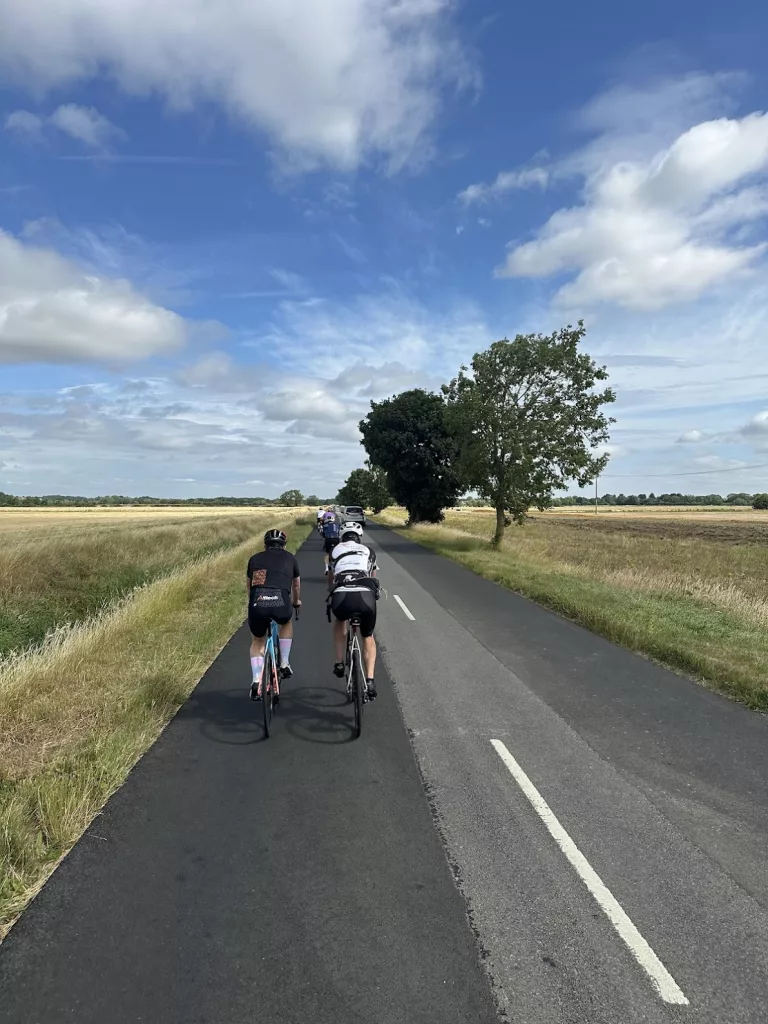
Why Group Riding Skills Matter
When we’re rolling out from Red Lion Square on a Sunday morning, there’s a proper art to keeping everyone safe and making the ride enjoyable. It’s not just about pedalling alongside your mates – though that’s brilliant fun – it’s about communication, awareness and shared responsibility. Get it right, and you’ll save up to 30% of your pedalling effort whilst being safer on the road. Get it wrong, and things could go south pretty quickly.
The Golden Rules of Group Etiquette
Hold Your Line: This is absolutely crucial. Don’t suddenly veer left or right without warning. A wobbly rider makes everyone nervous. Keep your handlebars steady, especially when you’re tired or chatting.
Stay Alert and Look Ahead: Watch the rider in front of you, not their back wheel. Their body language will tell you far more than their spinning tyre ever will. I’ve learned to spot when someone’s about to brake just by watching their shoulders tense up.
Respect the No-Drop Policy: At Stamford Cycling, we never leave anyone behind. This means if you’re feeling strong at the front, don’t surge ahead and blow the group apart. Similarly, if you’re struggling, drop to the back and catch your breath – we’ll wait for you at the next regroup point.
Understanding Group Formation
We typically ride two abreast when conditions allow, which makes us more visible to traffic. This formation also works brilliantly on the wider B-roads. However, when the lanes narrow or traffic approaches, we’ll call “single file” and everyone responds.
The rider on the inside (left side) eases back slightly, allowing the outside rider to slot in ahead. Don’t try to race to maintain your position – its not a competition.
Mastering Hand Signals and Calls
Communication is absolutely vital when you’re riding in close proximity. I’ll be honest, it felt a bit daft shouting “hole left!” the first few times, but now it’s second nature. Here are the essential signals you need to know:
Pointing Low to the Road: Indicates a pothole, manhole cover, or debris. Point with whichever hand is on the side of the hazard. Always shout “hole!” or “hole left/right!” to back up your signal.
Hand Down, Palm Backwards: You’re stopping. Absolutely call out “stopping!” as well because not everyone behind you will see your hand.
Waving Hand Palm Down: Slowing down. This usually comes before a junction, roundabout, or when approaching traffic.
Hand Raised Above Head: Mechanical issue or puncture. This tells everyone you’re pulling over safely when possible.
Arm Pointing Left or Right: Indicates the direction the group is turning. On our routes through the villages, clear turn signals prevent confusion at junctions.
Paceline Technique
When we’re on a longer run – say heading out by Rutland Water – we’ll often ride in a proper rotating paceline. The front riders take the wind for a minute or two, then peel off to the side and drift back, allowing fresh legs to take over.
The key here is maintaining a steady pace when you’re at the front. Don’t accelerate because you’re feeling heroic – that just ruins the rhythm and exhausts everyone behind you. Similarly, if you’re knackered, stay at the back until you’ve recovered.
What Not to Do
There are a few absolute no-nos. Don’t wear headphones or earbuds – you need to hear calls, traffic and what’s happening around you. Don’t suddenly blow your nose or clear your throat without dropping to the back or checking distance to next rider first – nobody wants that landing on them.
And please, if you’ve got aerobars fitted to your bike, don’t use them in the group. They’re dangerous in close quarters because you can’t access your brakes quickly enough.
Building Your Confidence
If you’re new to group riding, don’t worry – we’ve all been there. Start by riding towards the middle or back of the group where there’s less pressure. Watch the more experienced riders, copy their signals, and listen to their calls. After a few rides, it’ll become second nature, I promise.
When we roll into somewhere like Fika for post ride coffee, you’ll realise that good group riding etiquette isn’t just about rules. It’s about looking after each other, sharing the effort and making sure everyone gets home safely with a smile on their face and maybe some Strava kudos to boot.


Leave a Reply