Right, let’s get straight to it. I’ve been riding with both mechanical and Di2 groupsets around the local countryside for years now and this question keeps popping up in on our rides and WhatsApp group. After thousands of miles on everything from the cobbled streets of Stamford to the rolling hills of Rutland, I reckon I’ve got some proper insights to share.
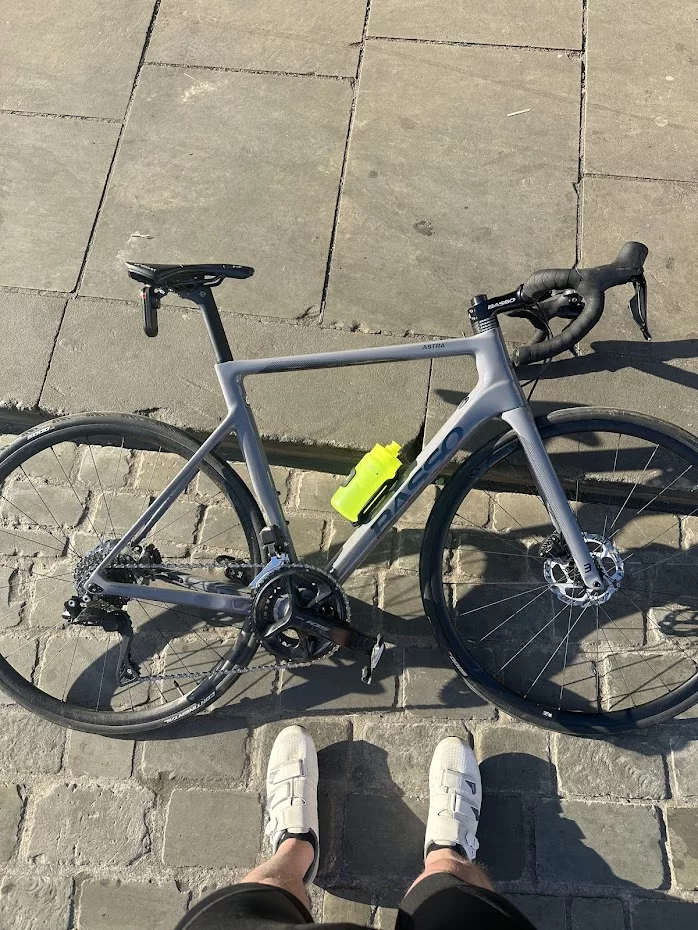
The Quick Answer
Di2 is objectively better in terms of performance, but whether it’s worth the extra cash depends on your budget and riding style. Most riders who’ve made the switch say they’d never go back to mechanical, whilst those who haven’t tried Di2 are often perfectly chuffed with their mechanical setup.
Where Di2 Absolutely Shines
Lightning Fast Shifts
The speed difference is insane. Di2 can complete a shift in under 200 milliseconds, which is significantly quicker than mechanical systems. When you’re hammering up the climbs around Little Bytham or sprinting through Stamford’s town centre that instant response makes a real difference.
Zero Maintenance Drama
Here’s the thing that really sold me on Di2 – once it’s set up, it stays put. No more cable stretch, no more adjustments after a few hundred miles. I’ve been running my 105 Di2 for over a year now, and it shifts exactly the same as day one. With mechanical, you’re constantly tweaking things, especially after our typical British weather has had a go at your cables.
Smart Features That Actually Work
The Synchro Shift mode is brilliant – it automatically handles your front derailleur shifts based on where your rear derailleur is. Perfect for maintaining that sweet spot cadence on our undulating roads. Plus, you can control your Garmin screens directly from the shifters, which is a game changer when you’re wearing winter gloves and don’t fancy fumbling with buttons or touch screens.
Additional Shifter Options
You can add satellite shifters wherever you need them – on the tops for climbing, or in the drops for sprinting. This is where Di2 really shows its versatility compared to mechanical systems.
Where Mechanical Still Holds Its Ground
Cost-Effectiveness
Let’s be honest – mechanical groupsets are significantly cheaper. A top-tier mechanical setup will give you excellent shifting performance without the premium price tag. For many riders, especially those just getting into cycling, this makes perfect sense.
Simplicity and Reliability
No batteries to worry about. You’ll never find yourself stranded because you forgot to charge your groupset. Plus, any decent bike shop can sort mechanical issues, whereas Di2 might need specific expertise.
Weight Considerations
Modern mechanical groupsets are often lighter than their electronic counterparts, though the difference isn’t massive these days.
Real-World Performance Comparison
After riding both systems extensively around our local routes, here’s what I’ve noticed:
My Groupset Recommendation
If you’re riding regularly and can afford it, Di2 is absolutely worth the investment. The consistency, precision, and smart features genuinely improve your riding experience. I’ve experienced this firsthand during our club rides – shifting is effortless, precise and you can focus entirely on the road ahead.
However, if you’re on a tighter budget or don’t ride that frequently, modern mechanical groupsets are still brilliant. A well-maintained mechanical setup will serve you perfectly well for years to come. If you have any questions, as our regular riders.
The Bottom Line
Di2 is better in almost every measurable way – faster shifts, consistent performance, lower maintenance, and smart features that mechanical simply can’t match. But “better” doesn’t always mean “right for you.”
Consider your budget, riding frequency, and whether you enjoy tinkering with your bike. For serious cyclists who want the best possible shifting performance, Di2 is the clear winner. For everyone else, mechanical remains a perfectly valid choice that’s served cyclists brilliantly for decades.


Leave a Reply